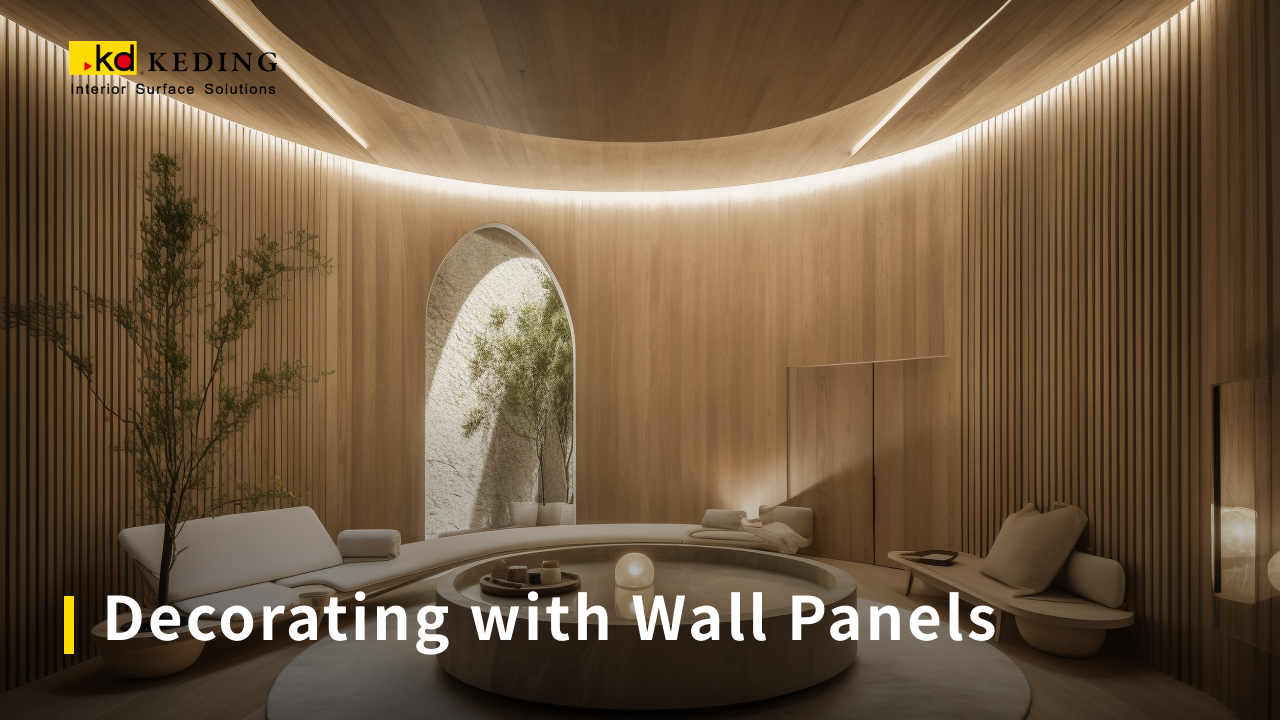
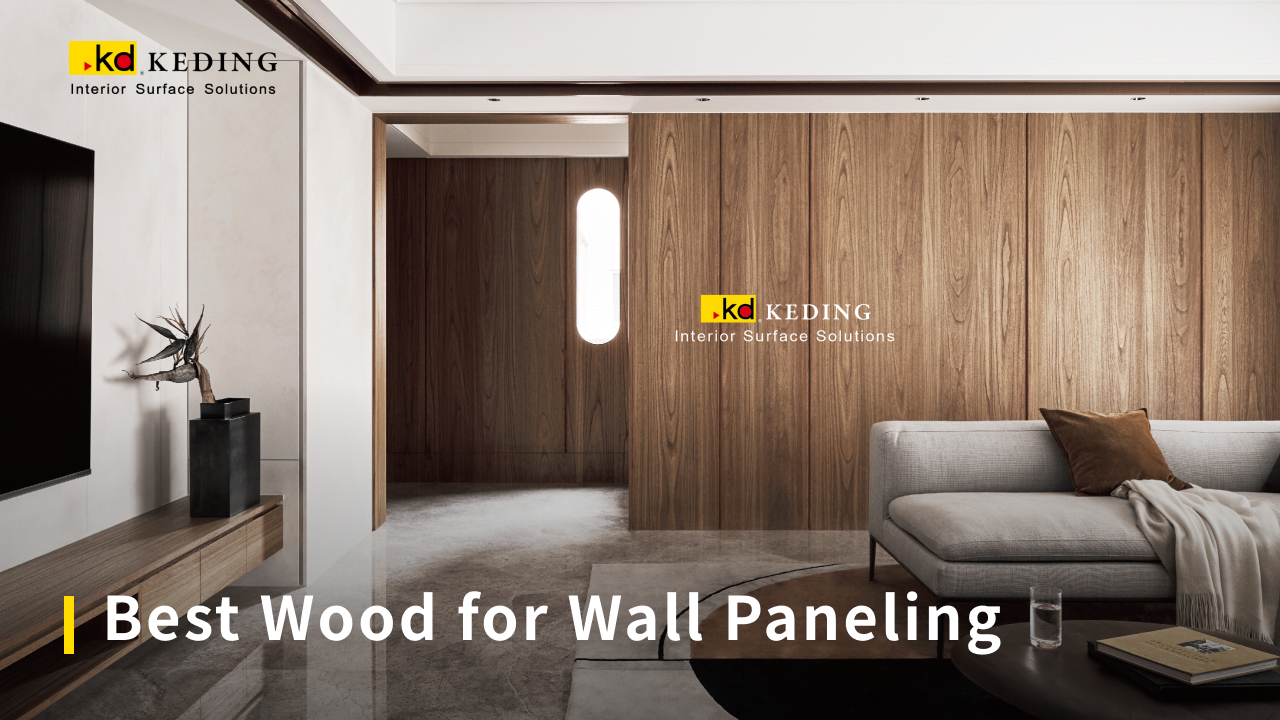
Looking to upgrade your walls but not sure which wood to choose? Different woods offer different durability, colors, and styles, and choosing the wrong one may affect both appearance and maintenance. The good news is that understanding the types of wood used for wall paneling can make the decision much easier. In this guide, we will tell you why using wood paneling on walls is a great idea and explore some of the most popular wood options.
Why Should You Use Wood Paneling for Interior Walls?
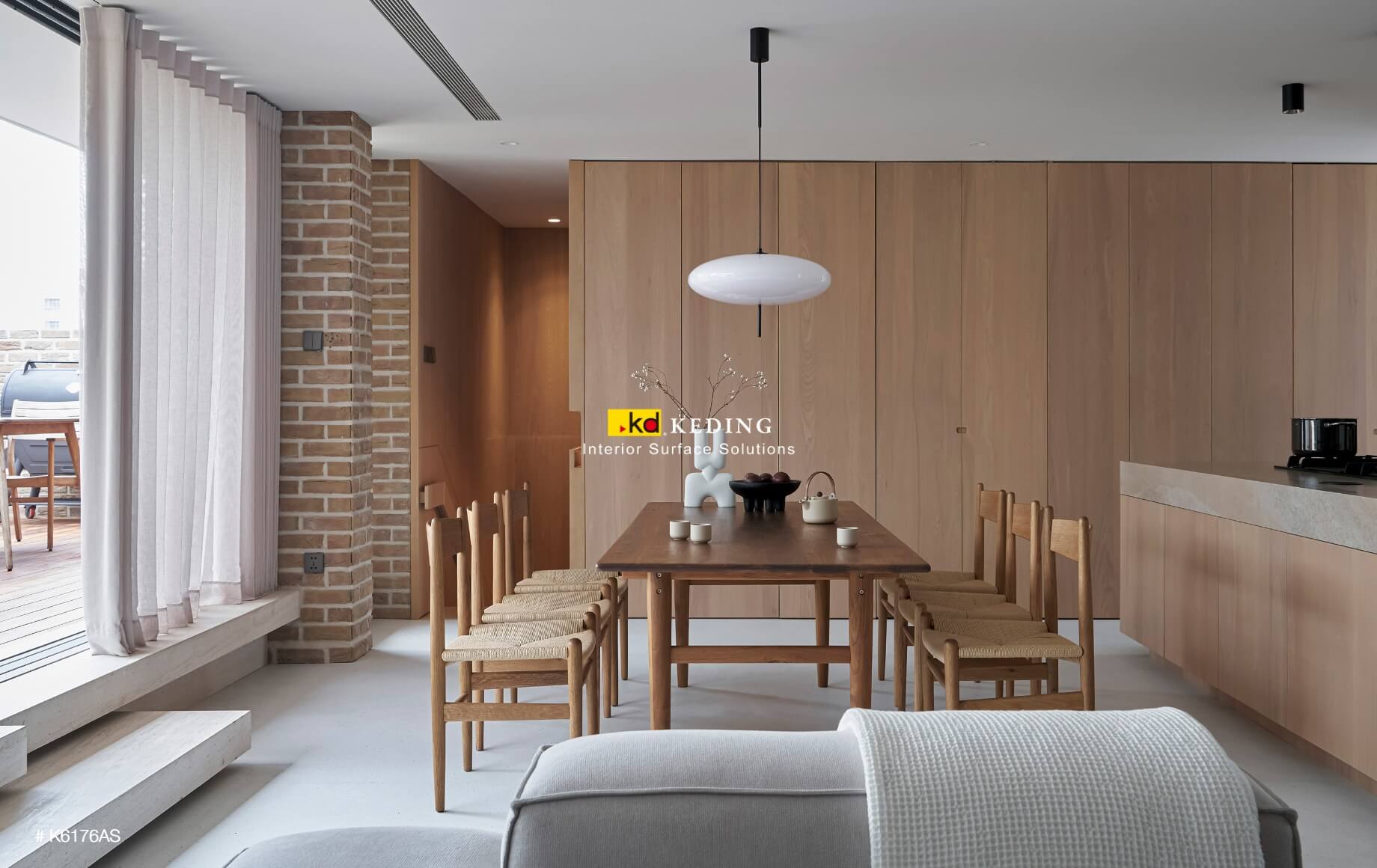
Wood has a way of transforming a room the moment you walk in. Instead of plain, flat walls, interior wood paneling introduces natural grain, texture, and depth that make a space feel warmer and more welcoming. The subtle patterns in the wood catch light differently throughout the day, giving walls a sense of movement and character that paint or wallpaper simply cannot replicate.
Beyond aesthetics, wood paneling is also surprisingly practical. If your walls have small cracks, dents, or uneven surfaces, installing wood paneling can instantly create a cleaner, more refined look by covering those imperfections. It is often used as a stylish solution to hide flaws or exposed wiring without the need for major wall repairs.
Comfort is another reason homeowners love wood panels. Wood naturally helps absorb sound and reduce echo, which makes living rooms, offices, or media spaces feel quieter and more relaxed. At the same time, it adds an extra layer of insulation that can help maintain indoor temperature and improve energy efficiency.
10+ Best Woods for Wall Paneling Use
Walnut
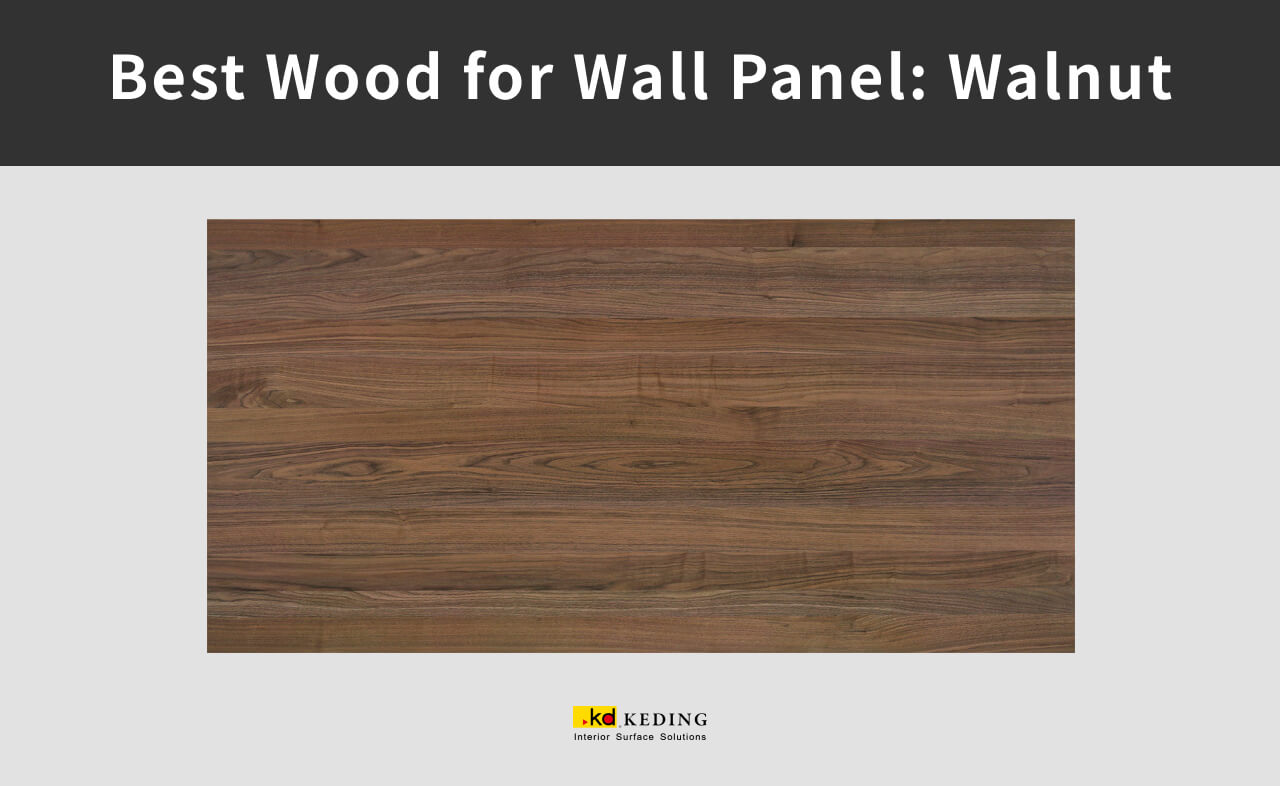
Walnut is widely regarded as one of the most refined woods used in interior wood paneling. Known for its refined grain pattern and naturally elegant character, it brings warmth, depth, and a mature sense of style to a room. Its flowing patterns can make a wall feel richer without making the overall design feel overly decorative.
Walnut is often chosen for feature walls in bedrooms, home offices, libraries, and upscale living rooms. Designers also favor it in executive offices or boutique hospitality interiors where a sophisticated look is desired.
From a design perspective, walnut pairs beautifully with warm metals such as brass, bronze, or gold finishes. Materials like leather, marble, or textured stone also complement its richness. While walnut is durable, it is slightly softer than some hardwoods, so it is best used in decorative wall applications rather than heavy-impact areas.
Maple
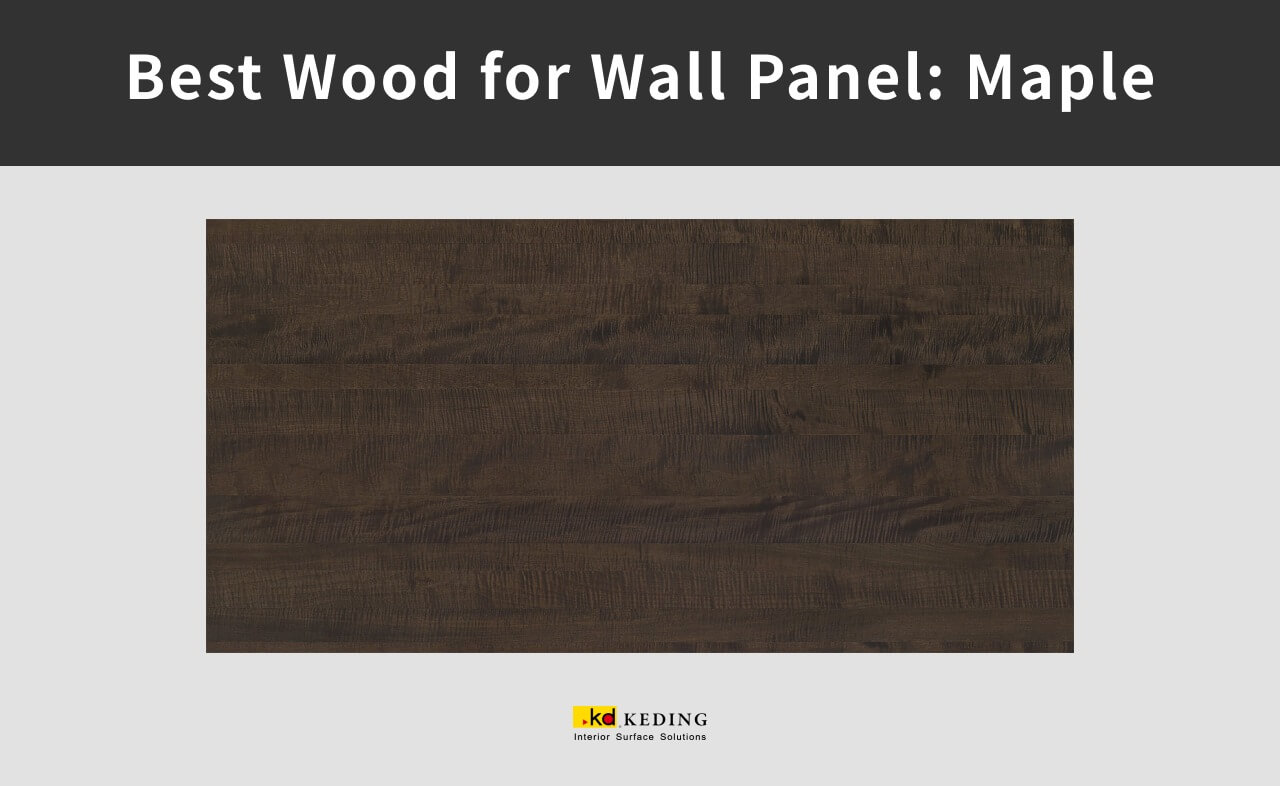
Maple offers a clean and refined look for interior wood paneling. It is known for its fine texture, smooth surface, and generally straight grain, giving walls a neat and balanced appearance. Compared with more dramatic wood species, maple feels subtle and orderly, making it a good choice when the design needs a calm, modern wood expression.
Maple works particularly well in modern homes, Scandinavian interiors, minimalist spaces, hallways, family rooms, and open living areas. Its simple grain makes it easy to pair with neutral furniture, matte finishes, stone, glass, or metal details. For designers, maple is often chosen when the goal is to create a clean, practical, and quietly elegant wall design.
Padauk
Padauk is a bold, expressive wood for interior wood paneling. It is known for its vivid reddish character, straight to sometimes interlocked grain, and naturally energetic look. The wood is also strong, stiff, and stable, giving decorative wall designs both personality and lasting presence.
Padauk works well for feature walls, creative offices, boutique retail spaces, and accent panels where the space needs a memorable focal point. Because its color can deepen with time, it pairs best with simple furniture, soft lighting, and calm surrounding materials.
Oak
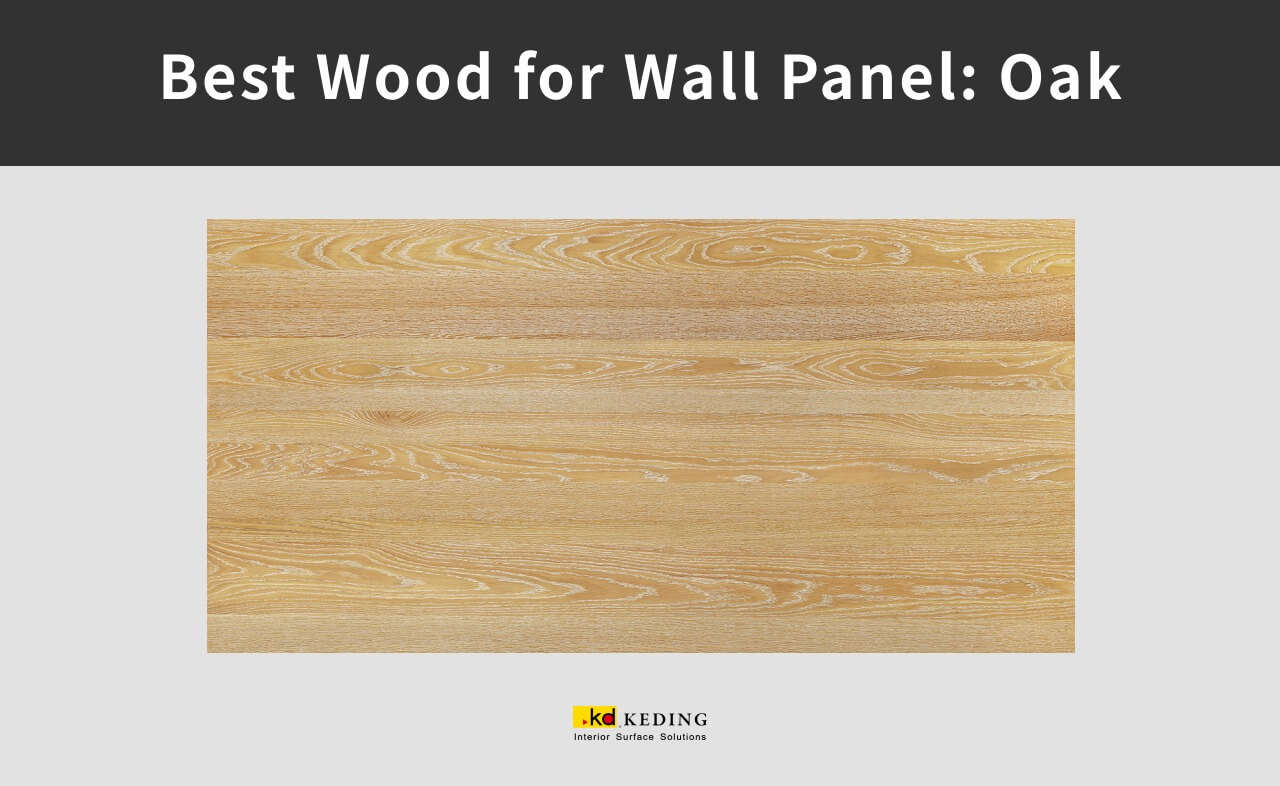
Oak has long been considered a classic material in architectural interiors. It is known for its strength, durability, and distinctive grain patterns that add texture and visual interest to wall surfaces. Oak paneling has remained popular for decades because it balances timeless beauty with practical performance.
Oak panels are commonly used in living rooms, dining areas, hallways, and commercial interiors where durability is important. It is also frequently used for large feature walls that anchor a space visually.
There are two main varieties used for paneling. White oak is slightly denser and more moisture-resistant, making it suitable for kitchens or areas with higher humidity. Red oak, on the other hand, has a warmer tone and accepts stains exceptionally well, allowing designers to customize the final color to match different interior styles.
Cedar
Cedar is prized not only for its beauty but also for its natural performance. The wood contains natural oils that help resist moisture, rot, and insects, making it one of the most durable options. Cedar works particularly well in bathrooms, basements, kitchens, and spa-inspired spaces where humidity may be present. It is also commonly used in sauna rooms, wellness areas, and coastal-style interiors.
In terms of appearance, cedar ranges from warm reddish tones to softer brown shades, and it often develops a beautiful silvery patina over time if left untreated. Another distinctive feature is its natural aroma, which many people associate with freshness and relaxation. Combined with its moisture resistance and insulating properties, cedar creates walls that are both functional and visually striking.
Teak
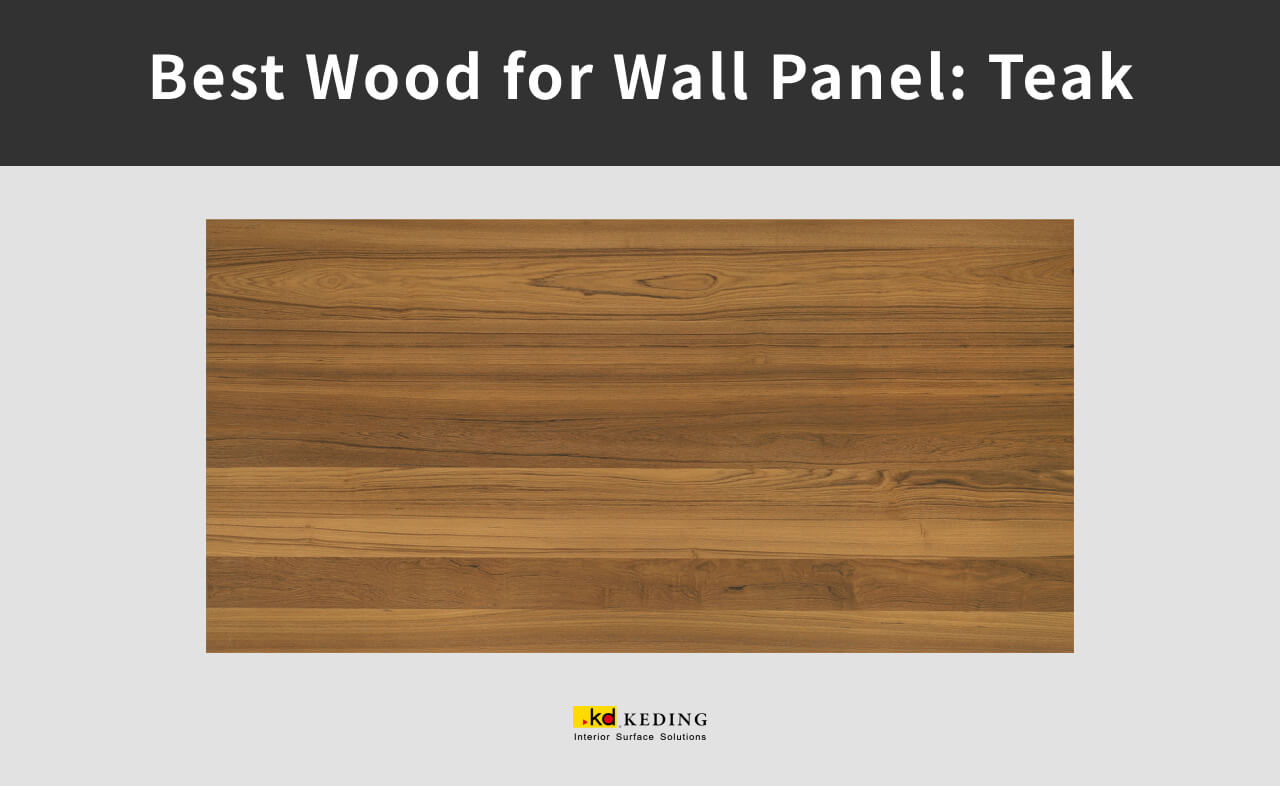
Alt text: An example of woodgrain of teak.
Known for its warm golden-brown color and smooth grain, teak naturally creates a refined and timeless look that works well in both classic and contemporary interiors. What truly sets teak apart is its high natural oil content, which acts as a built-in protective layer against moisture, decay, and insects.
Teak is especially well-suited for bathrooms, kitchens, spa rooms, and other humid environments where many woods may struggle to perform. Because of its durability and resistance to moisture, it is also frequently used in luxury residential projects and high-end hospitality interiors. The main drawback is cost. Teak is typically more expensive than many other species, but its long lifespan and performance often justify the investment.
Wenge
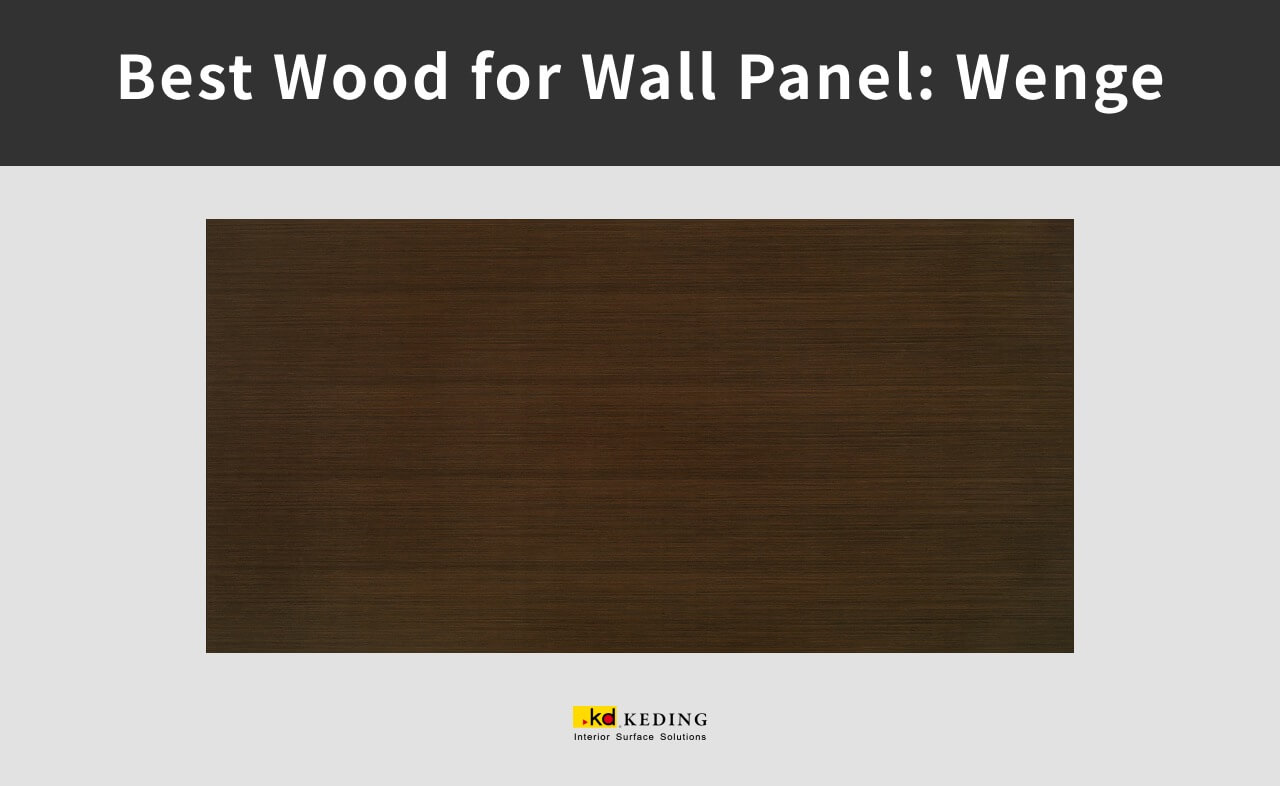
Wenge is perhaps one of the most visually dramatic choices. This exotic African hardwood is famous for its extremely dark brown color, sometimes appearing nearly black, combined with bold linear grain patterns that create striking visual contrast.
Wenge is commonly used for statement accent walls in bedrooms, luxury apartments, boutique hotels, and executive offices. Because of its deep color, it helps create an intimate and calming atmosphere, which is why designers often use it in relaxation spaces or sophisticated work environments.
In modern interior design, wenge panels pair beautifully with minimalist architecture, glass elements, and metal finishes such as brushed steel. The strong color makes it ideal for contemporary spaces that want a dramatic focal point. However, because of its intensity, it is usually applied to feature walls rather than covering an entire room.
Spotted Gum
Spotted Gum is a highly durable Australian hardwood that has gained popularity in architectural interiors thanks to its unique appearance and strength. Unlike many woods with uniform color, spotted gum displays a dynamic palette ranging from soft creams and honey tones to deep reddish-brown shades.
Because of its density and resistance to wear, spotted gum works exceptionally well in high-traffic environments such as living rooms, hallways, commercial interiors, and hospitality spaces. It is often chosen for projects where both durability and natural character are important.
Visually, spotted gum offers a lively grain pattern that brings texture and movement to wall surfaces. This makes it a favorite for feature walls, large panel installations, and modern architectural interiors. The wood also accepts various finishes well, allowing designers to highlight its natural color variations or create a more uniform tone depending on the desired style.
Ash
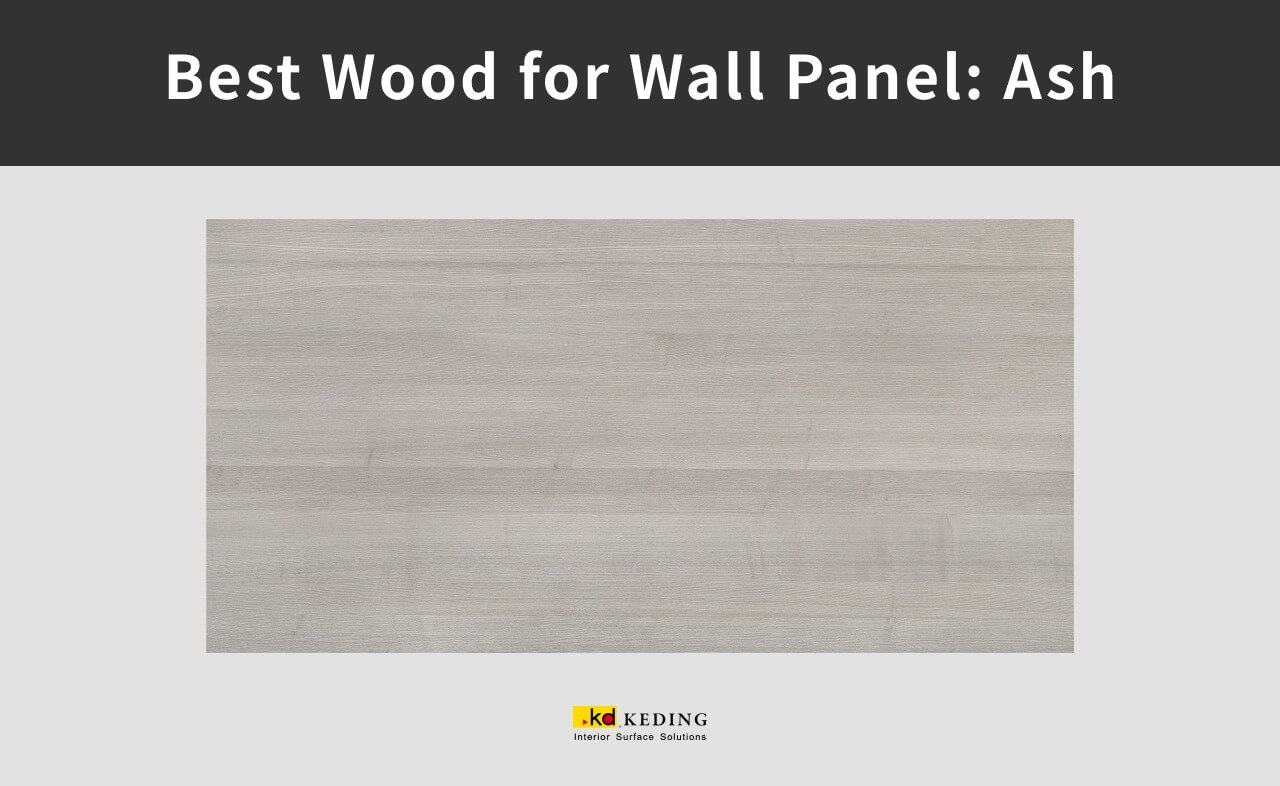
Ash is a versatile hardwood valued for its strength, flexibility, and distinctive open grain. In its natural form, ash is typically light in color with subtle beige or pale brown tones, which makes it ideal for bright and contemporary interiors.
Natural ash is commonly used in Scandinavian-style homes, minimalist interiors, and modern feature walls where a clean, light aesthetic is desired. It also stains well, allowing designers to customize the color while maintaining the wood’s beautiful grain pattern.
Ash also comes in several specialized variations. Burnt ash, created through a controlled charring process, develops a bold blackened surface that adds dramatic texture while improving resistance to pests and weather. Thermally modified ash, often called thermo-ash, undergoes heat treatment that enhances moisture resistance and dimensional stability, making it suitable for humid environments such as bathrooms.
Elm
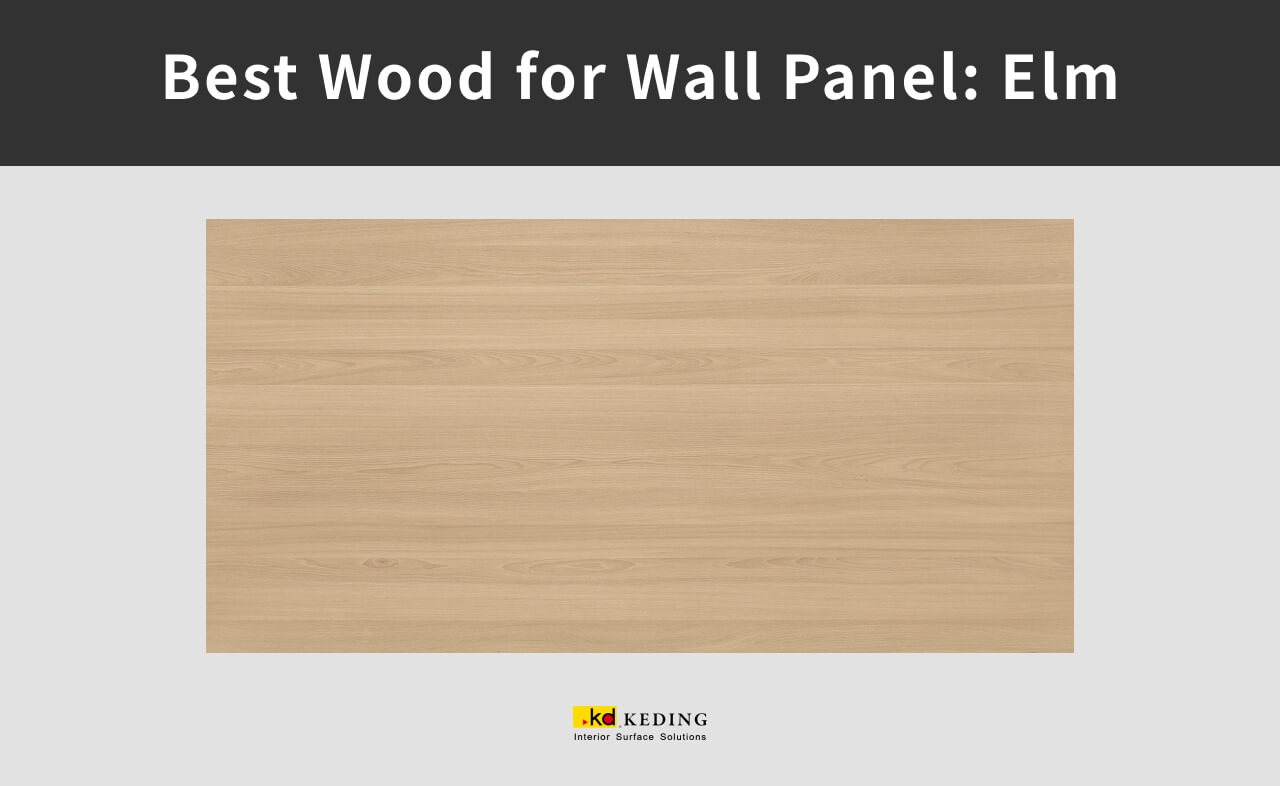
Elm is a durable hardwood known for its distinctive interlocking grain and warm reddish-brown to light tan tones. The dramatic grain patterns give elm panels a natural, organic texture that adds character to a wall surface. The wood is also valued for its strength and flexibility, which makes it resistant to splitting and suitable for long-lasting interior use.
Elm works beautifully in living rooms, dining spaces, and rustic or heritage-style interiors where a natural, slightly rugged appearance is desired. Designers often use reclaimed elm for accent walls to create a vintage or farmhouse aesthetic with rich texture and history.
Paulownia
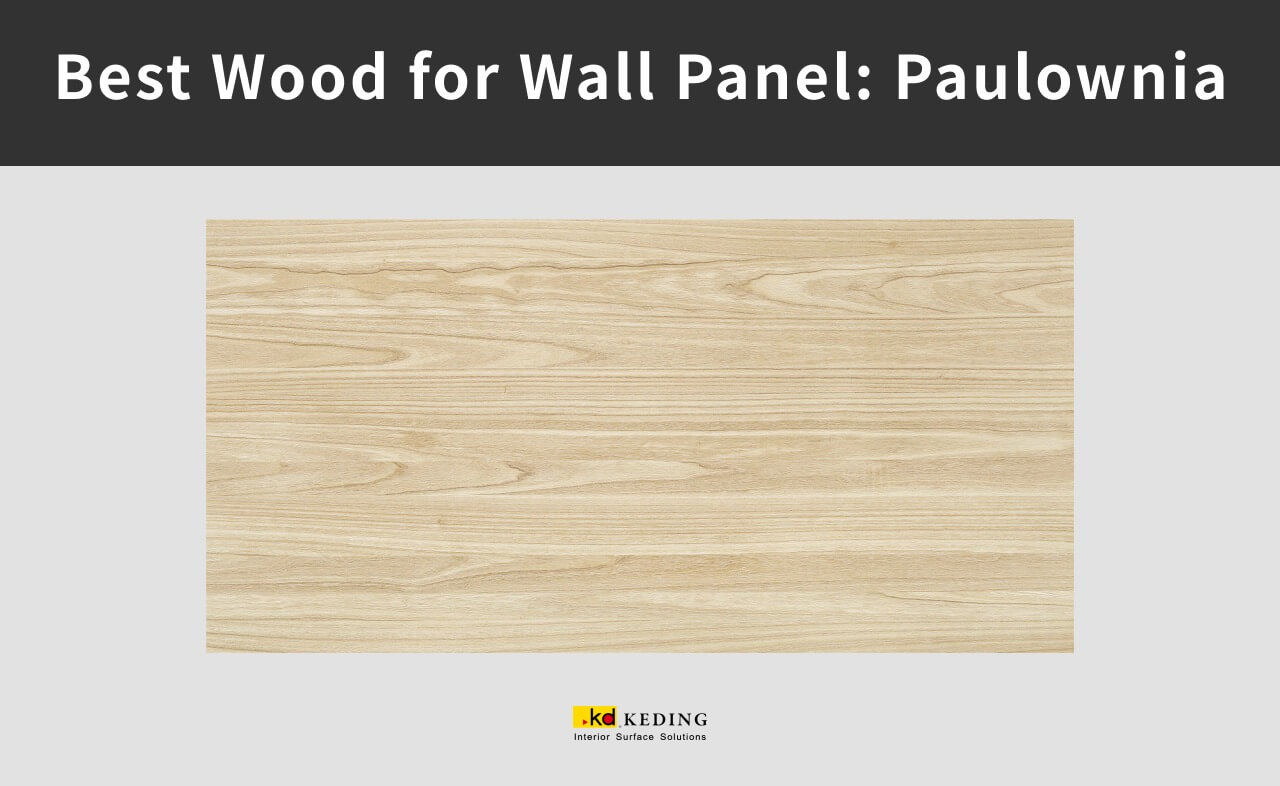
Paulownia is a lightweight yet surprisingly strong wood that has gained popularity in modern interior design. Its pale color and smooth grain create a soft, minimalist look that fits well in contemporary spaces. One of its standout characteristics is its extremely low density, which makes it easy to work with and install while still maintaining good durability.
Paulownia is often used for decorative wall panels, geometric feature walls, and lightweight interior cladding. It is especially suitable for modern homes and creative panel layouts such as herringbone or patterned wall installations.
Cypress
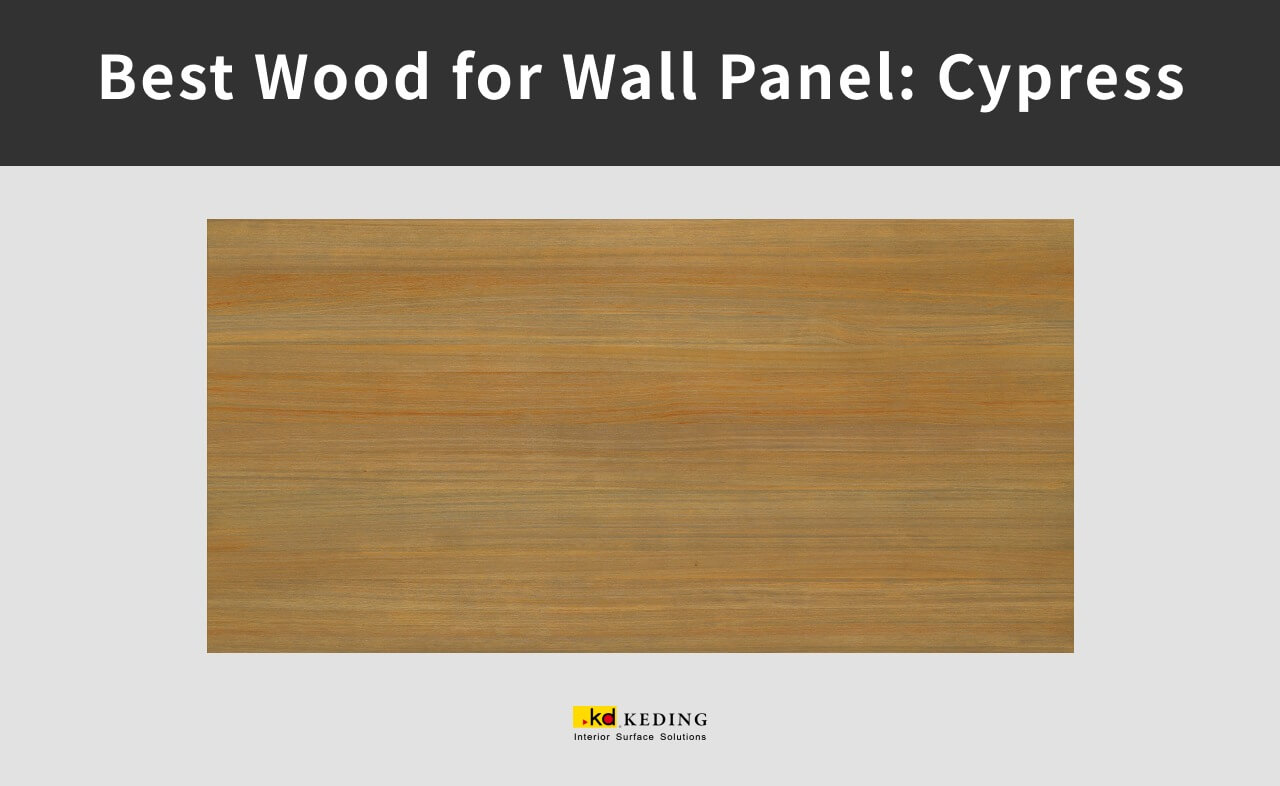
Cypress is a highly durable softwood known for its natural resistance to moisture, decay, and insects. Its warm yellow-gold tones and straight grain create a relaxed, natural look that blends well with both traditional and coastal interiors. Because the trees grow in wet environments, the wood naturally performs well in humid conditions.
Cypress is ideal for bathrooms, kitchens, and other spaces where humidity may be present. It is also popular for rustic wall paneling, beadboard designs, and eco-friendly interior projects thanks to its stability and resistance to warping.
Limba
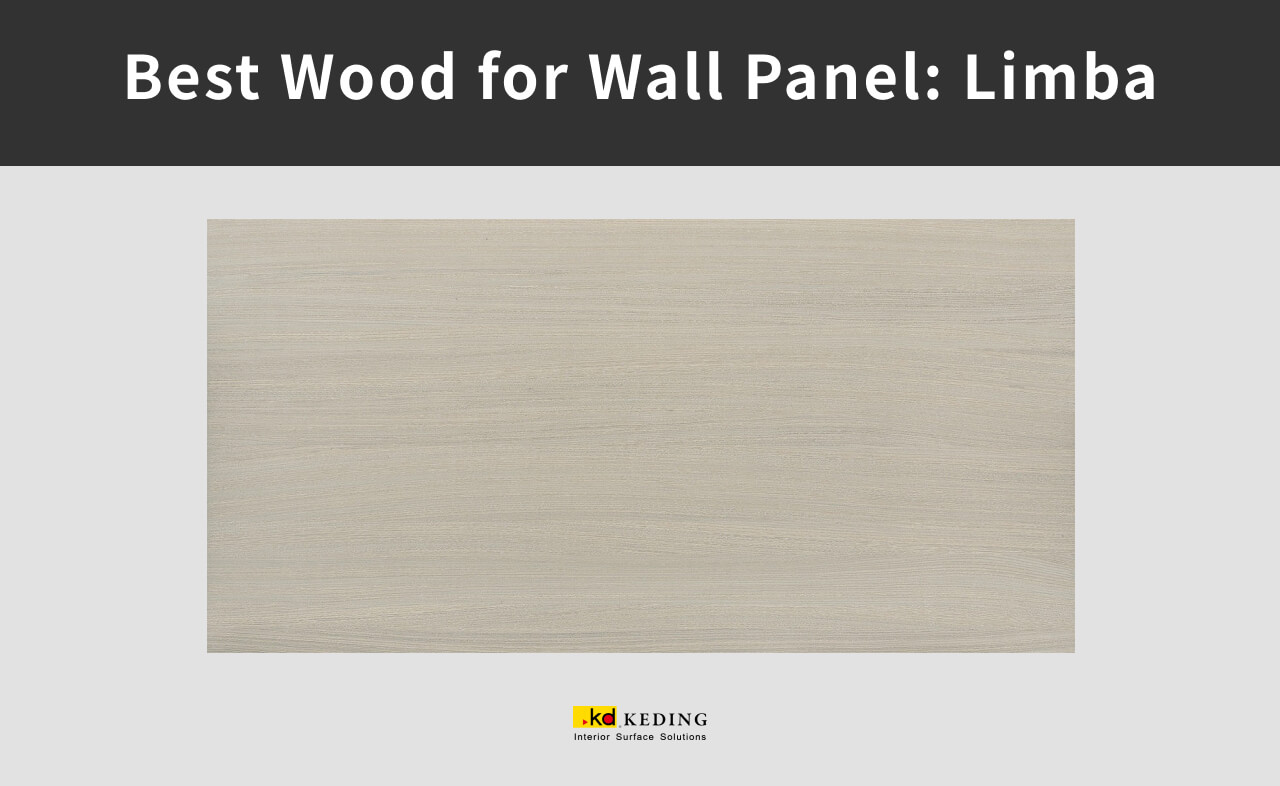
Limba (often called Black Limba or White Limba) is an exotic hardwood recognized for its unique visual character. The wood ranges from pale yellow to golden brown, sometimes featuring dramatic dark streaks that create a bold decorative effect. Its relatively even texture and attractive grain make it a favorite for architectural veneers and specialty paneling.
Limba is commonly used for decorative accent walls, luxury interiors, and modern statement panels where visual contrast is desired. Designers often choose it for boutique hotels, studios, and contemporary living spaces because its striking grain adds depth and artistic flair to the wall surface.
How to Choose the Right Wood Species for Your Wall Panel Use?
Choosing the right wood for wall paneling is a little like choosing the perfect fabric for a tailored suit. It needs to look beautiful, feel right in the space, and perform well over time. The types of wood used for wall paneling can vary widely, from budget-friendly softwoods to rich, luxurious hardwoods. Before making a final decision, it is best to look beyond color and think about durability, room conditions, and the overall design style you want to achieve.
- Durability: If the wall sits in a busy hallway, living room, or commercial space, durability matters. Hardwoods such as oak and maple are popular because their dense structure resists scratches and dents. Oak is especially loved for its distinctive grain pattern and strength, which is why it appears in everything from flooring to wall panels. Maple, on the other hand, offers a smoother grain and a clean, modern appearance.
- Moisture resistance: Bathrooms, kitchens, and laundry areas expose wood paneling to higher humidity, so material choice and surface treatment matter. Wood is not fully waterproof, and poor protection may lead to swelling, warping, mold, or finish damage over time. For these spaces, choose wood species with better natural moisture stability, such as teak, cedar, or white oak, and make sure the panels are properly sealed, finished, and maintained.
- Aesthetic impact: Wood color and grain play a huge role in defining the mood of a room. Dark woods like walnut add drama and luxury, while lighter species such as ash, maple, or white oak create a calm and contemporary look. Even the grain pattern matters. Bold, pronounced grains can add visual movement, while subtle grains offer a minimalist feel.
- Budget considerations: Not every project needs exotic hardwood. Pine is affordable and widely available, making it an excellent option for decorative wall panels or painted finishes. Premium species such as walnut or teak cost more but provide rich color and long-lasting elegance.
Transform Interior Spaces with KD Panels Today
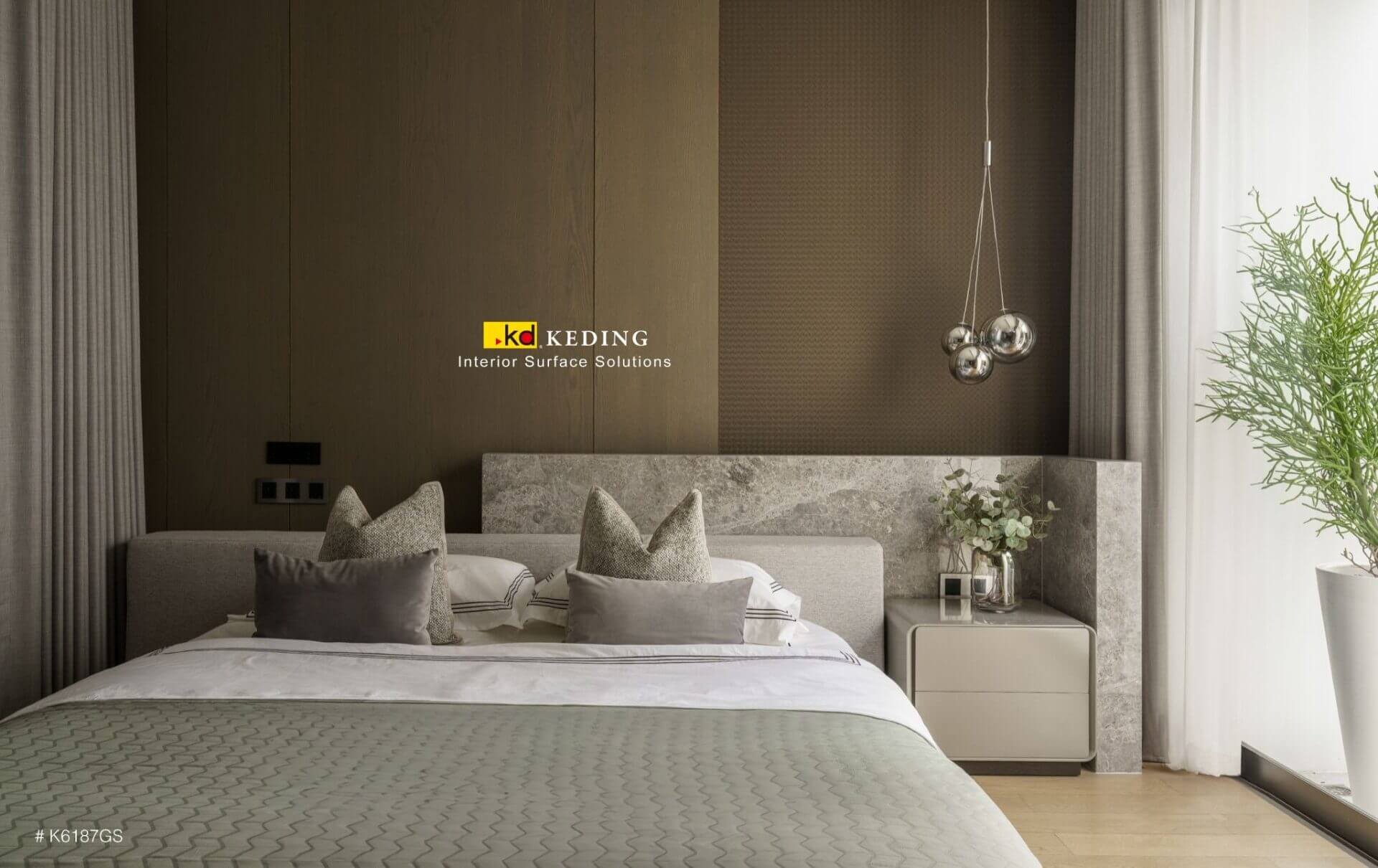
Wood wall paneling has the power to completely reshape a room. The right wood can add warmth, texture, and architectural depth while reflecting your personal design style. From luxurious walnut tones to bright maple or rustic pine, these types of wood used for wall paneling each bring a unique atmosphere to interior spaces. But great design also depends on reliable materials that perform well in real life.
This is where you find KD panels make the difference. Our panel solutions combine refined surface design with stable core construction and consistent quality control. From PVC series engineered for long-term performance to wood-inspired options that capture the elegance of natural grain, KD panels are designed to support modern interior design needs.
Looking for materials that elevate your next project? Contact us today to explore Keding’s laminate and wood panel solutions and discover how KD panels can transform your interior spaces with confidence.