When you’re planning a kitchen, living room, or wardrobe makeover, one big question often pops up: wood veneer vs laminate cabinets, which one should you choose? Both are popular materials for modern interior designs, but they feel, wear, and cost very differently. In this article, follow us as we look at both materials’ strengths and features and teach you how to choose the right one based on your needs!
What is Wood Veneer?
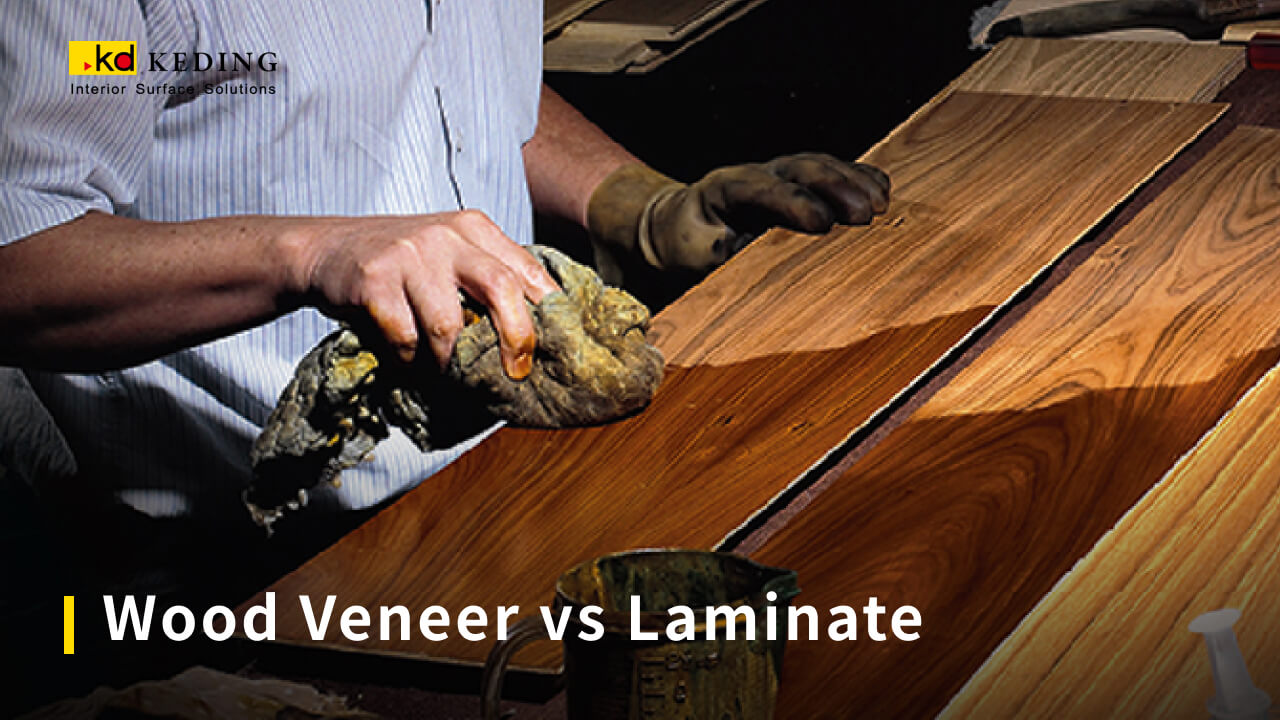
Wood veneer is made from real wood. Logs are sliced into very thin sheets, which are then bonded onto a stable core such as plywood or MDF. This process allows manufacturers to showcase genuine wood grain while using far less solid timber than traditional hardwood panels. Because it uses real wood, every veneer panel has natural variations in color and grain, which many homeowners find appealing.
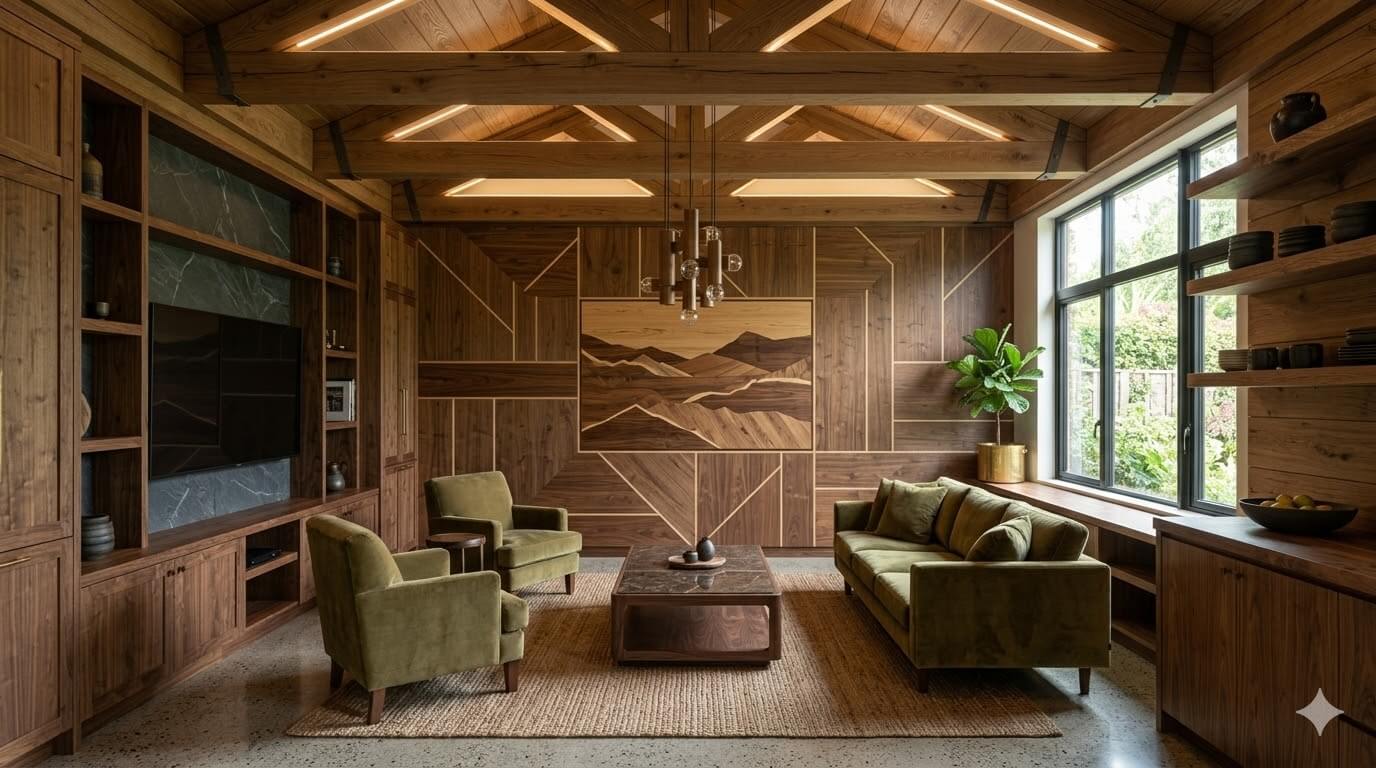
One of the biggest reasons people choose wood veneer is the authentic look. The surface has depth, warmth, and a natural character that synthetic materials cannot fully replicate. Veneer can also be stained or finished to achieve different tones, making it easy to match classic or high-end interiors.
That said, real wood comes with real sensitivities. Veneer surfaces are more prone to scratches and dents than engineered finishes, and prolonged exposure to moisture or heat can cause warping or peeling if not properly protected. This makes the veneer better suited for controlled environments rather than high-humidity zones.
Wood veneer is commonly used for kitchen cabinets, wardrobes, wall panels, and furniture where aesthetics matter most. It works especially well in premium residential interiors and executive spaces.
However, it does require more careful maintenance. Regular cleaning, moisture control, and gentle use are essential to preserve its appearance over time. If you value natural beauty and are comfortable with a bit of upkeep, wood veneer can be a rewarding choice.
What is a Laminate?
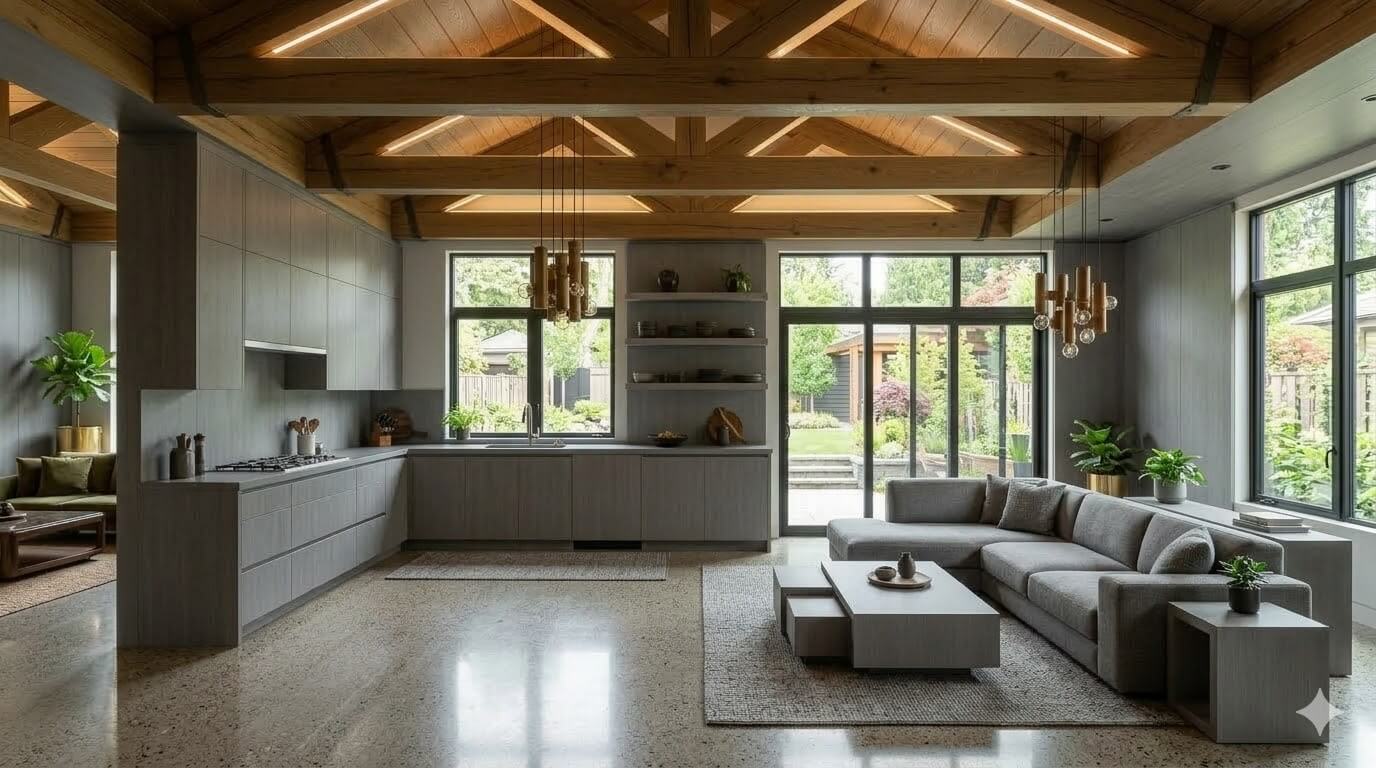
Laminate is a man-made surface material created by compressing multiple layers of paper or fabric soaked in resin under heat and pressure. The decorative top layer is printed or textured, then sealed with a protective coating. High-Pressure Laminate (HPL) is produced under even greater pressure, resulting in higher durability and impact resistance.
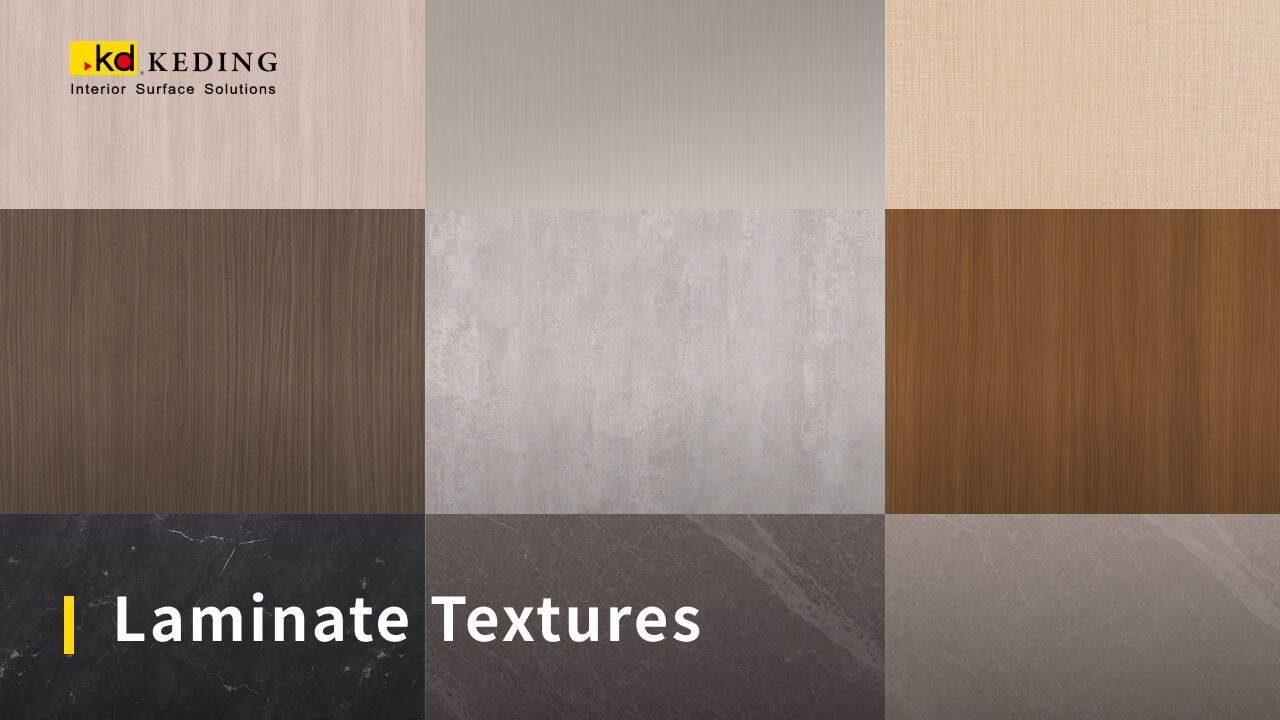
What makes laminate stand out in the wood veneer vs laminate cabinets debate is versatility. Laminate comes in a wide range of colors, wood grains, stone effects, finishes, textures, and high-gloss surfaces. This makes it easy to achieve a consistent look across large areas.
From a performance standpoint, laminate is tough. It resists scratches, stains, and daily wear far better than natural wood. It is also easy to clean, which makes it ideal for busy households. However, because the design layer is printed, the laminate lacks the depth and natural variation of real wood. If damaged, it usually cannot be refinished and must be replaced.
Laminate is widely used for wardrobes, wall panels, kitchen cabinets, and commercial interiors. Its moisture resistance and stability make it a practical choice for kitchens and high-traffic areas. Still, edge sealing matters. If water penetrates poorly sealed edges, swelling can occur over time. With proper installation, laminate offers long-lasting performance with minimal maintenance, making it a popular choice for modern, functional interiors.
What are the Differences Between Wood Veneer and Laminate?
Now, let’s take a closer look at how wood veneer and laminate differ across the key factors that matter most when choosing materials. By comparing them from practical, aesthetic, and long-term performance perspectives, you’ll be able to see which option truly fits your design goals:
Cost
Laminate tends to be much more affordable because it’s mass-produced from layered paper and resin rather than cut from real wood. This makes them a go-to for budget-friendly renovations or large-scale builds.
Wood veneer, on the other hand, uses thin slices of real wood glued onto panels. That authenticity comes with a higher price tag due to the cost of genuine timber and the craftsmanship involved.
Maintenance
Laminate surfaces resist stains, scratches, heat, and moisture, and a simple wipe with mild soap usually keeps them looking good. They are ideal for high-traffic spaces like kitchens and bathrooms.
Wood veneer, however, asks for a bit more care. You’ll want gentler cleaning and occasional polishing to maintain its beauty, and longer-term wear can show marks more easily than on laminate.
Aesthetic Appeal
Wood veneer delivers authentic wood grain and texture that can make cabinets feel luxurious and unique. It can be stained or sealed to enhance those natural patterns.
Laminate offers practical versatility with countless colours, patterns, and finishes, from ultra-modern mattes to convincing wood or stone looks. While not “real wood,” high-quality laminates can mimic these materials very well.
Durability
Laminate tends to be more resistant to scratches, moisture, and heat, making it ideal for busy environments, like a kitchen. However, if the laminate chips or cracks, repairs are tough and often require replacing the panel.
Veneer, while more delicate, can sometimes be lightly refinished or touched up if damaged, and its natural wood quality can age beautifully with care.
Sustainability
Environmentally, wood veneer can have an edge, especially if the wood is responsibly sourced. Because it uses real timber in thin slices rather than solid wood, it can be more sustainable than large solid wood panels.
Laminate is made from synthetic materials and resins, though many modern products incorporate recycled materials and eco-friendly manufacturing. Sustainability ultimately depends on the specific products and sourcing practices you choose.
Here’s how to decide based on your needs:
Choose laminate if your priority is durability, low maintenance, and cost-effectiveness. Laminate shines in kitchens, kids’ rooms, or rental renovations where life gets messy, and you want surfaces that shrug things off with a quick wipe.
Go with wood veneer if your project is about authentic design and timeless appeal. Veneer is perfect for cabinetry in living spaces, upscale kitchens, or showroom-style wardrobes where the natural grain and warmth of wood make a lasting impression.
Many people would mix materials: veneer for visible doors and panels for that rich look, and laminate on interiors or high-impact zones for durability and easy care. It’s a smart way to balance style with practicality.
Wood Veneer vs Laminate: Summary
| Aspect | Wood Veneer | Laminate |
| Composition | Thin slices of real wood bonded to MDF or plywood | Resin-impregnated paper layers pressed onto boards |
| Cost | Higher due to real wood and craftsmanship | More budget-friendly and consistent pricing |
| Appearance | Natural wood grain with depth and variation | Wide range of colors, textures, and finishes |
| Design Consistency | Each panel is unique | Highly uniform across all panels |
| Durability | Moderate, sensitive to moisture and impact | High, especially HPL, resistant to scratches and stains |
| Maintenance | Requires gentle care and moisture control | Easy to clean, low maintenance |
| Repairability | Can sometimes be refinished | Damaged surfaces usually need replacement |
| Moisture Resistance | Limited, needs protection | Good when edges are properly sealed |
| Sustainability | Uses less wood than solid timber, supporting more sustainable material use. | Depends on resin type and board certification |
| Common Uses | Premium cabinets, feature panels, furniture | Kitchens, wardrobes, walls, and commercial interiors |
FAQs
Which one is better, wood veneer or laminate?
It depends on how and where you plan to use it. Wood veneer is better if you want a natural, premium look with real wood character. Laminate is better for durability, easy maintenance, and high-use areas like kitchens and wardrobes. The “better” option is the one that fits your lifestyle and priorities.
Is wood veneer cheaper than laminate?
No. In most cases, wood veneer is more expensive than laminate. Veneer uses real wood slices and requires more careful processing, which raises the cost. Laminate is mass-produced and more cost-efficient, especially for large cabinet or wall panel projects.
Is wood veneer the same as laminate?
No, they are completely different materials. Wood veneer is real wood applied over an engineered core. Laminate is a synthetic surface made from resin-treated paper layers. They may look similar from a distance, but their composition and performance are not the same.
Which material lasts longer, wood veneer or laminate?
Laminate generally lasts longer in high-traffic or humid environments due to its durability. Wood veneer can also last many years, but it is more sensitive to impact, heat, and moisture over time.
Keding Offers You the Best Options for Laminates and Wood Panels
Choosing the right material is only half the story. Working with a reliable laminate and wood panel supplier makes all the difference. This is where you need Keding.
Our KD panel products combine refined surface design, stable core construction, and consistent quality control. From laminate panels engineered for durability to wood-inspired surfaces that capture natural elegance, KD panels are designed to perform in real interiors. Keding’s laminate solutions are ideal for cabinets, wardrobes, and wall panels, offering a wide range of textures and finishes that balance aesthetics with everyday practicality.
Looking for dependable materials that elevate your designs? Contact us today and discover how our laminate and wood panels can support your next project with confidence.